Rabi al-Awwal 2026: A Modern Muslim's Guide to the Month of the Prophet ﷺ

Some months announce themselves. Ramadan reshapes whole days; Eid fills kitchens and airports. Rabi al-Awwal 2026 arrives differently: quietly, expected to open around 14 August, asking for nothing louder than remembrance. It is the month of the Prophet Muhammad's ﷺ birth, and for many Muslims it is the most tender month of the year.
That quietness is part of its appeal. The month carries no fasting obligation and no fixed checklist. What Muslims bring to it instead is attention — more salawat, more time with the Prophet's ﷺ story, more small generosity offered in his honour. This guide is about weaving that attention into an ordinary modern life, commute and school run included, without turning a beloved month into one more thing to manage.
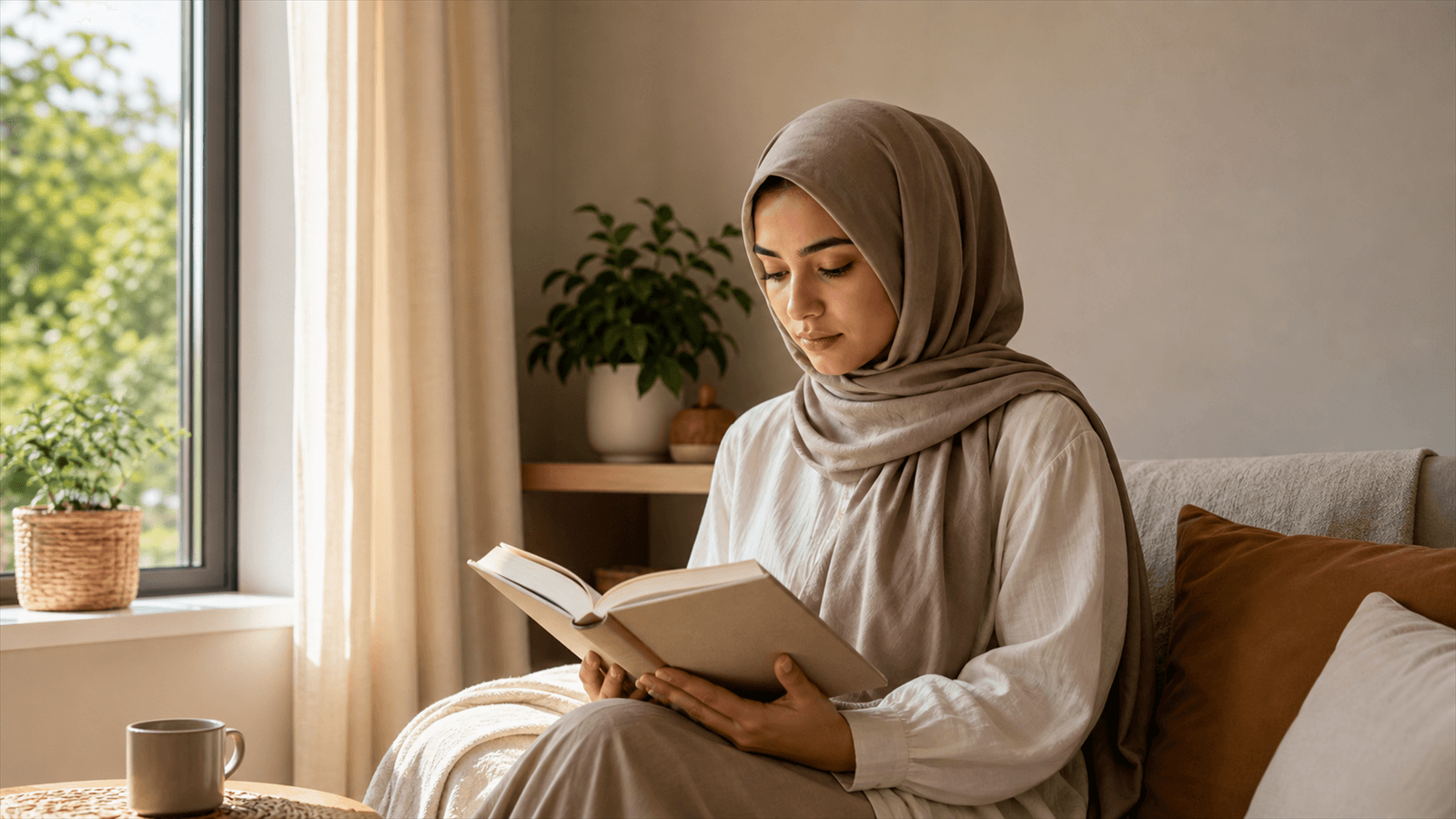
A month begins with the new moon
Rabi al-Awwal 1448 AH is expected to begin on 14 August 2026, with the 12th of the month — the day most Sunni communities associate with the Prophet's ﷺ birth, when Mawlid 2026 gatherings will peak — falling around Tuesday 25 August. Both dates come from astronomical calculation and stay subject to local moon sighting, so the announcement from your own mosque is the one to follow. Many Shia Muslims commemorate the birth on the 17th of the month instead, which lands near 30 August this year: one month, two beloved dates. A lunar month runs 29 or 30 days, so these dates arrive quickly once the crescent shows — part of why families begin preparing the week before. Mark them in pencil, not ink — moon months keep their own counsel.
That is all the date-keeping this guide will do. Rabi al-Awwal is less a single marked day than a mood that lasts thirty days. The dates are the doorway; what follows is the room.
Why this month matters to millions
For Muslims across the world, this is the month the Prophet Muhammad ﷺ entered the world, and honouring it has been part of community life for centuries. Charities time their giving to it; in Britain, Islamic Relief publishes resources each year on the month's meaning and the good deeds tied to it — charity, salawat, learning the Prophet's ﷺ story. Mosques fill for evening gatherings. Families retell the sirah a chapter at a time, and studying that life is itself among the acts encouraged in this month.
The emotional centre of the month is simple: love expressed as attention. Some households mark it with recitation gatherings and shared meals; others keep it nearly invisible, a private increase in salawat between everything else. How any family observes it varies widely by country and tradition, and the variety is part of the richness. What the month offers every year is the same invitation — to come back to the Prophet's ﷺ life at whatever depth this year allows. Some years that means finishing a biography. Other years, one page before sleep, and that page counts too. And for someone newly practising, the month is the most welcoming doorway the tradition has: a story before a syllabus.
Salawat and dhikr rhythms you can actually keep
Sending salawat — invoking blessings upon the Prophet ﷺ — is the practice most closely tied to this month. It also happens to travel well: it needs no prayer mat, no set direction, no particular hour.
The secret to keeping any dhikr rhythm through a busy month is anchoring it to things your day already does. A commuter in London might make the walk from the station her salawat stretch. A student might pair dhikr with the kettle boiling, the bus wait, the ten minutes before a lecture starts. A new mother might keep hers for the 3 a.m. feed, when the house is finally quiet. Volume is not the goal; return is — coming back to remembrance in the gaps a day already has.
The ears help as much as the tongue. A sirah lecture series stretched across twenty commutes turns a train line into a study circle of one. A nasheed playlist for the kitchen changes what washing-up feels like. Pick one companion for the month and let it recur — repetition, not novelty, is what makes the month feel different by its final week.
Some people love an exact count: a hundred salawat a day, kept on fingers or beads. Others want no numbers at all and let remembrance surface between tasks. None of this needs announcing, either. Dhikr at a desk looks like nothing at all — that is rather the point. The month asks for presence, not performance, and colleagues never need to know what the quiet moment between meetings was for. Neither temperament is more sincere. They are two shapes of the same love, and the month has room for both. And if a day disappears into work and the count stays at zero, nothing is ruined — the door reopens at the next red light. Keep the bar low enough to clear on your worst day; consistency is kinder than ambition here.

Marking the month at home
How families dress the month differs country to country, and the differences are half the charm. In Yemen, streets and homes take on green decorations and lights for the season. In Turkey, families recite traditional poems about the Prophet's ﷺ life at home in the evening, most famously the verses of Süleyman Çelebi. Tunisian kitchens prepare Assidat Zgougou, a dessert made specially for the occasion. In Indonesia, the Sekaten festival stretches the celebration across a full week of processions. In India, the season brings decorations, religious meetings and night-long gatherings. In many countries the 12th itself brings large street processions, with mosques and homes decorated for the occasion. And nearly everywhere, generosity moves outward: food shared, charity given, children reciting poetry about the Prophet's ﷺ life while sweets go around.
None of this needs a grand production to echo in your own home. A string of warm lights in one corner. Dates and tea after Maghrib with a page of the sirah read aloud. A jar where loose change gathers all month and leaves as charity before the thirty days end. An evening walk renamed for the occasion. A home that smells of cardamom on the 12th night is its own kind of lesson, and children tend to remember the atmosphere long after they forget the words. And if the lights stay up a week past the month, no harm done — leaving a little glow behind suits it.

Meaningful gifts for a meaningful month
Generosity already belongs to Rabi al-Awwal — meals shared with neighbours, charity given in the Prophet's ﷺ honour. In many families that widens naturally into gift-giving: something small and meaningful for a mother, a sister, a friend marking her first Mawlid far from home.
The gifts that land are the ones that match the month's temperament — quiet, personal, close to faith without preaching about it. A beautiful edition of the sirah. A prayer shawl in a colour she actually wears. For someone building her own dhikr rhythm this month, a zikr ring she'll genuinely wear — smart tasbih jewelry from the iTasbih line that keeps her count silently from her finger, built on a simple belief: every dhikr matters, the small silent ones included. Because it reads as jewelry first, it gets worn daily instead of resting in a drawer.
If you'd rather browse wider, there are more Islamic gift ideas suited to the season. The only rule worth keeping: a good gift for this month says I see your faith, and I love you in it — never here is your reminder.
The month is expected to open around 14 August. However your community reads the sky, the invitation reads the same: thirty days that reward whoever shows up quietly. Start smaller than feels impressive — one salawat on tomorrow's commute — and let the month build from there.