Scenario · Slow Living
Slow Living, Shaped by What You Hold Close
Slow living is a quieter way of moving through the day -- unhurried, intentional, and aware of what deserves attention. Before the inbox opens and before the scroll begins, there is room for a different rhythm: one built on presence rather than productivity, on noticing rather than rushing. For those whose faith already holds a place for stillness, mindful living is not a new idea -- it is a return to something familiar.

The Rhythm Behind the Noise
When the Day Moves Faster Than Attention Can Follow
The search for a slow life grows because daily rhythms now arrive faster than attention can keep up. Notifications layer over conversations. Screens fill the pauses that once held silence. Many days begin with a scroll before they begin with a breath -- and by evening, the hours feel spent without being lived.
This is not a problem with ambition. It is a misalignment between pace and presence. Mindfulness -- the practice of returning attention to what is actually in front of you -- is not about doing less. It is about doing with awareness. And for many Muslims, this awareness has a name that predates any modern trend: it is the quiet discipline of noticing, of pausing before action, of letting intention shape the day rather than reaction.
A slow life does not ask you to withdraw from responsibility. It asks you to meet each responsibility with your full attention -- not the fraction left over after the phone has taken its share. Daily mindfulness is not a programme to follow. It is the quality of being present in what you are already doing: the prayer that is not rushed, the conversation that is not split with a screen, the morning that begins before the world asks something of you.
When the noise is constant, choosing a slower rhythm is itself a quiet act of faithfulness to the life you have been given.
The Anchor That Holds
What Sustainable Slow Living Actually Requires
What makes slow living last is not a single decision to slow down -- it is a rhythm the body learns to return to. Attention drifts. The mind fills with noise again. Without something to call it back, even the most sincere intention fades into the pace of the day.
This is why repetition matters. A gesture repeated at the same quiet moment -- after prayer, between tasks, before sleep -- becomes less of a choice and more of a reflex. The hands remember before the mind decides. Over time, a repeated act of presence becomes the texture of a day rather than an interruption to it. Intentional living is sustained not by willpower alone but by the rhythms that carry it.
And yet, not every anchor holds equally. A notification reminds, but it also intrudes. A screen-based prompt pulls attention back -- but into the very environment that scattered it. What many find is that a quieter, low-disturbance companion sits closer to the rhythm they are trying to protect. Something worn, not opened. Something touched, not tapped.
This is the kind of pause Zikr Ring was made for. Not a replacement for the tasbih your family keeps at home, but a wearable companion for the hours in between -- living mindfully through commutes, through work, through the small silences that hold more weight than they appear to. A quiet act of remembrance -- dhikr -- does not need a ceremony. It needs only a rhythm, and something steady enough to hold it.
"Sustainable slow living depends on an anchor the body can return to without friction -- a physical rhythm that stays present when attention moves elsewhere. Zikr Ring serves this role: a wearable, silent companion that keeps the rhythm of remembrance close, without adding a screen, a sound, or a demand to the day."
People often choose

Rose Gold
iTasbih Spirit
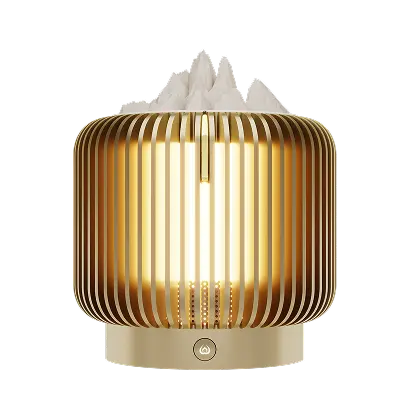
Create a peaceful atmosphere for prayer and reflection.
Nurdio
Choose your package
Faithband
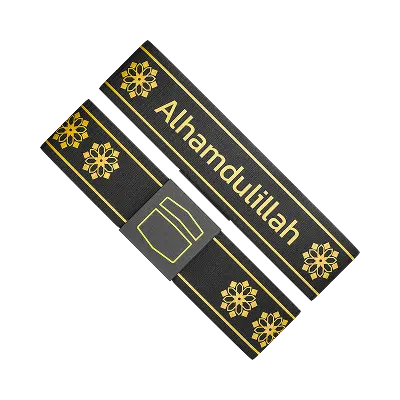
Tap to access recitations, duas, and Islamic reminders instantly.