A Calm Night Routine
Your Night Routine, Held in Stillness
After the noise has settled and Isha — the night prayer — is complete, a quieter rhythm begins. For many Muslims, whether following an islamic night routine passed down through generations or building a night routine for muslimah life in a new city, this is where the day finds its gentle close.

The Evening Rhythm
From Evening Wind-Down to Bedtime Calm
A Muslim bedtime routine often begins long before the pillow. After Isha, many find a natural pause — a moment to set the phone aside, lower the lights, and let the day's noise fade. This evening routine is not a checklist. It is a shift in rhythm, from doing to being.
Across traditions recorded in Sahih al-Bukhari and Sahih Muslim, the Prophet ﷺ described a series of quiet acts before sleep: refreshing wudu (ablution), lying on one's right side, and reciting short adhkar — words of remembrance. Among the most widely practiced is reciting Ayat al-Kursi — a passage from the Quran that many Muslims turn to for a sense of calm and protection through the night. The three Quls (the final three chapters of the Quran) are another gentle anchor, often recited softly into cupped hands.
A Rhythm of Thirty-Three
Then there is the counting: Subhanallah, Alhamdulillah, Allahu Akbar — a rhythm of 33, 33, and 34, traced back to a tradition the Prophet ﷺ shared with Fatimah (ra). For many, these words become a quiet pulse that slows the mind before sleep.
Surah Al-Mulk Before Sleep
Some unwind further by reciting Surah Al-Mulk — a chapter many Muslims observe as a nightly sunnah. Others reflect on the day, setting a quiet intention — a niyyah — for tomorrow.
Alone, or Shared in the Dark
Whether your evening stretches long after Isha or your bedtime routine begins the moment the lights go down, this space between wakefulness and sleep is yours. Alone, or shared with those beside you.
A Quiet Companion
A Quiet Companion for Your Bedtime Dhikr Routine
In the still moments after Isha, when the lights are low and the phone is finally out of reach, your hands are free. This is often when dhikr feels most natural — not as a task to complete, but as something that simply arrives in the quiet.
Yet keeping count without a screen can feel uncertain. A traditional tasbih — prayer beads used for counting dhikr — is one trusted companion for this. A wearable one is another. What matters is that the friction between intention and action stays low, so the rhythm of Subhanallah, Alhamdulillah, Allahu Akbar can continue without interruption.
"Every dhikr matters. Even the quiet ones before sleep."
A bedtime dhikr routine becomes easier to sustain when the object in your hand — or on your finger — responds to touch alone. No screen glow to break the dark. No notification to pull you away. Just a gentle, tactile loop that lets you stay present with your words and your breath.
This is the space Zikr Ring was designed for. Not as a replacement for the misbaha your grandmother kept by her bedside, but as a silent, wearable companion that fits the way you already live. It counts when you count. It stays quiet when you rest. And over time, it may help the nightly practice of dhikr become less of a decision and more of a reflex — something your hands remember even when your mind is ready for sleep.
People often choose

Rose Gold
iTasbih Spirit
Create a peaceful atmosphere for prayer and reflection.
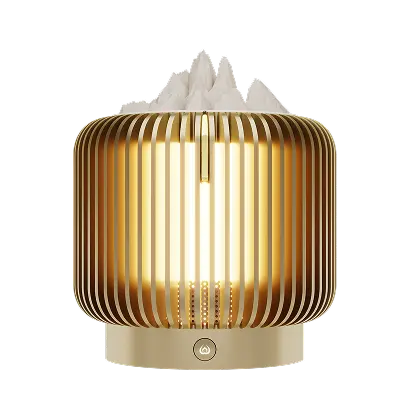
Nurdio
Choose your package
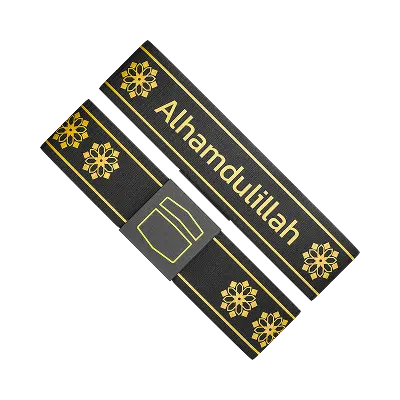
Faithband
Tap to access recitations, duas, and Islamic reminders instantly.