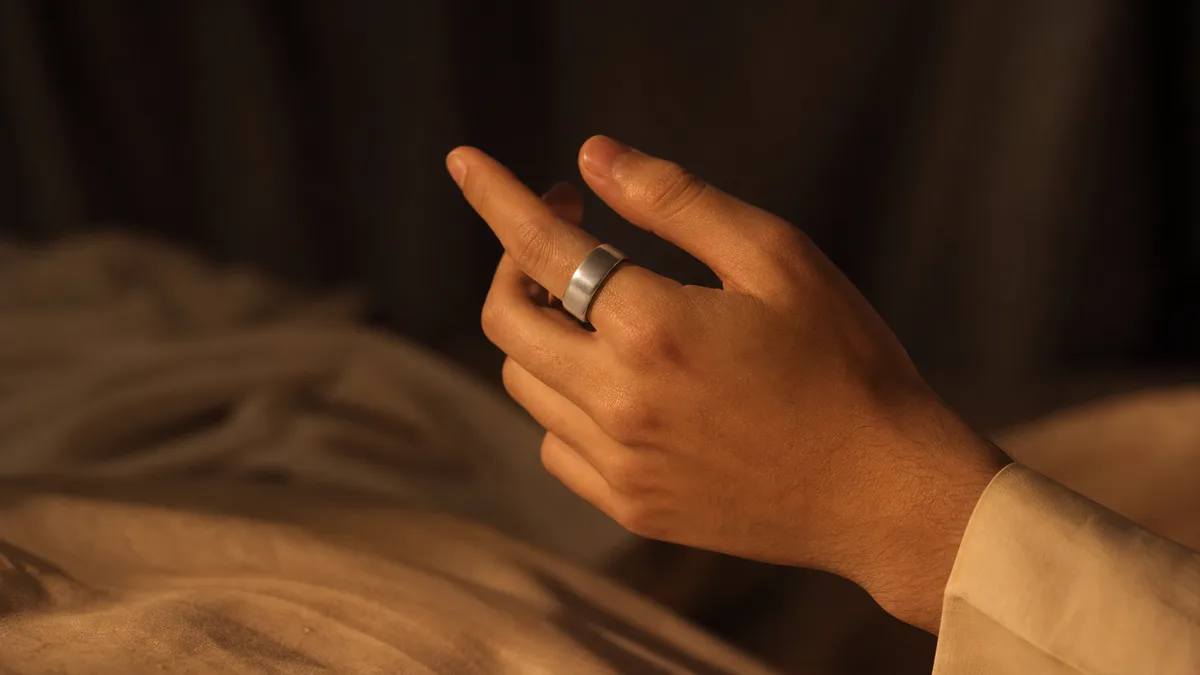
It’s the first night of Ramadan. Maryam slips a new smart tasbih onto her finger, a small gift from her sister, and begins her wird. A few dhikr in, a quiet question surfaces: is a digital tasbih allowed in Islam, or could it count as bid’ah? If that worry sounds familiar, you’re in good company. This guide gathers what scholars actually say, so you can settle it and get back to the remembrance.
Key Takeaways
Most contemporary scholars rule a digital tasbih permissible (halal), not bid’ah.
In 2026, a review of six fatwa answers, from IslamQA to Assim al-Hakeem, found none calling it haram.
Counting dhikr is a means, not worship itself, so the aid you use can change.
Counting on the fingers stays the Sunnah and the method scholars call best.
The Short Answer: Is a Digital Tasbih Allowed in Islam?
As of 2026, the majority of contemporary scholars who address the question rule that a digital or smart tasbih is allowed in Islam, and using one is not bid’ah. It works as a counting aid, nothing more. Your dhikr stays on your tongue and in your heart while the count is kept for you, exactly as beads once did.
This is a plain-language summary of where scholars land, not a personal fatwa; for your own case, ask a scholar you trust.
The broad permissibility of counting aids is well settled among today’s scholars, so what follows fills in the why, not the whether. The rest of this guide unpacks the questions that usually come next: what bid’ah actually means, how counting dhikr evolved across the centuries, what individual scholars say, whether you can use one during prayer, and whether a machine keeping count can dull your presence.
Bid’ah Explained: Why a Counting Aid Is a Means, Not a New Act of Worship
No, a digital tasbih is not bid’ah. Bid’ah means inventing a new act of worship and tying it to the religion, something with no basis in the Qur’an or Sunnah. Adopting a fresh aid for worship that’s already prescribed is a different matter entirely. Darul Iftaa Trinidad puts it plainly: using a tasbih for zikr will not be bid’ah, but permissible (mubaah)⁵.
The distinction scholars draw is between the worship (ibadah) and the means to it (wasilah). Dhikr, the remembrance of Allah, is established in the Qur’an and the Sunnah; that is the worship, and no one is adding to it. Keeping count, whether on beads, pebbles, or a ring, is only the means. As IslamQA frames it, the means take the ruling of their ends². So a counting aid sits outside the definition of blameworthy innovation, because it changes how you keep track, not what you worship or how the worship itself is performed. The reward was never attached to the object in your hand.
That broader ruling, that counting aids in general are a permissible means, lives in the halal guide, See all are zikr rings halal. Here the point is narrower: newness alone doesn’t make something bid’ah. Consider a simple question. If a new aid were automatically an innovation in the religion, would prayer beads themselves, unknown as strung beads in the earliest community, have ever been accepted? They were, and widely so, which brings us to the history.
From Fingertips to Beads to Digital: The History of Counting Dhikr
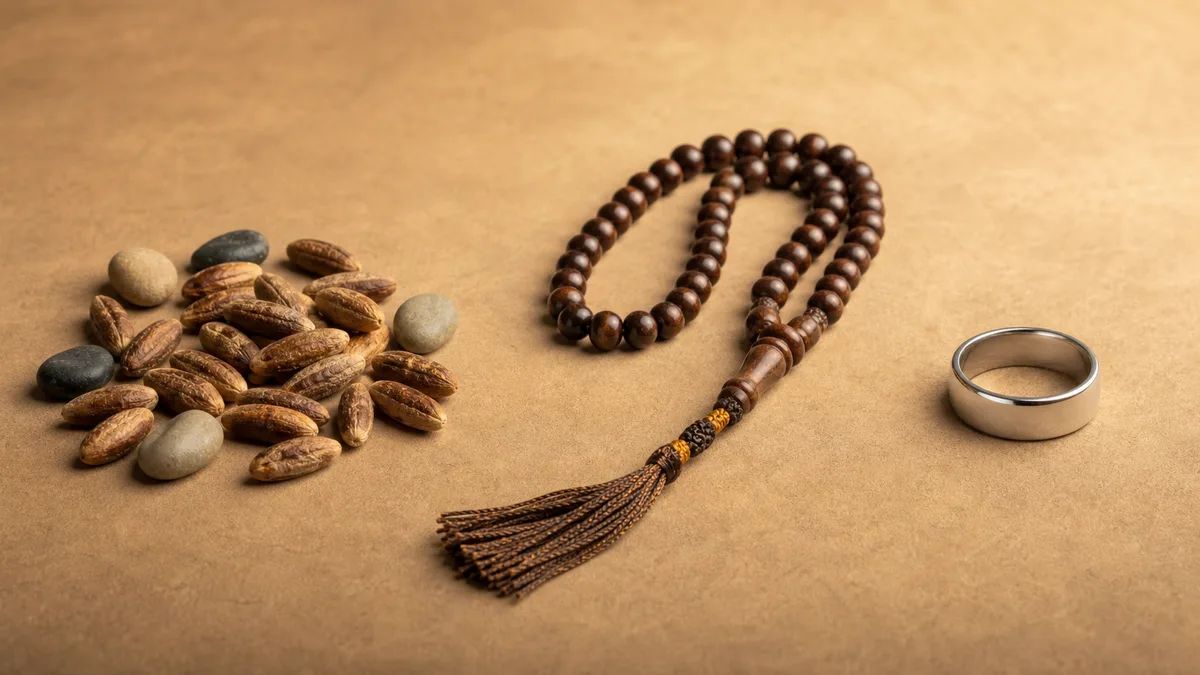
For roughly fourteen centuries, Muslims have used simple aids to keep count of their dhikr. The Prophet’s companions counted on their fingers and with date stones and pebbles; later generations took up knotted strings, and then the strung prayer beads we know as the subha or misbaha. Today, in 2026, the digital tasbih is simply the newest link in that chain.
One detail often gets missed. The strung prayer beads that feel timeless today were themselves, at one point, a post-Prophetic new thing, discussed by early scholars before becoming an accepted, even encouraged, aid. Darul Iftaa Trinidad points to the narration of Sa’d ibn Abi Waqqas, reported by at-Tirmidhi, in which the Prophet did not stop a woman who counted her tasbih with date stones or pebbles⁵. So the aid has kept changing across the centuries, from fingers to date stones to pebbles to knotted string to beads, while the worship it serves has stayed exactly the same. A digital tasbih doesn’t add a new act to the religion; it continues a chain the ummah settled long ago.
What the Scholars Say: Fatwa Positions Compared
None of the six answers below classes a counting-aid tasbih as haram. Every authority lands on permissible; their one shared caveat is that counting on the fingers is the better, Sunnah method, not that the aid is forbidden. Most short fatwa pages give a single line, so the comparison here maps each ruling to the exact form it addressed.
Fatwa answer | Form it addressed | Verdict | Main nuance |
|---|---|---|---|
IslamQA, electronic masbahah program (128914) | The electronic, digital form | Permissible | If beads are allowed, the program is too; don’t fix a dhikr number the Prophet didn’t set |
IslamQA, using a tasbih ring (198080) | A tasbih ring | Permissible | The means take the ruling of their ends; fingers stay the Sunnah; don’t wear it to be seen |
Darul Iftaa New York (askthemufti.us) | A zikr ring specifically | Permissible | A zikr ring isn’t a true ornamental ring, so rules limiting decorative rings don’t apply |
Darul Iftaa Trinidad (Jaamia Madinatul Uloom) | Using a tasbih for zikr | Permissible (mubaah), not bid’ah | Fingers are preferable if you can keep count easily; earlier Muslims used stones and beads |
Assim al-Hakeem | A tasbih counter | Permissible (not prohibited) | Reciting on the right hand is best; the fingers would be witness for you on the day of judgement |
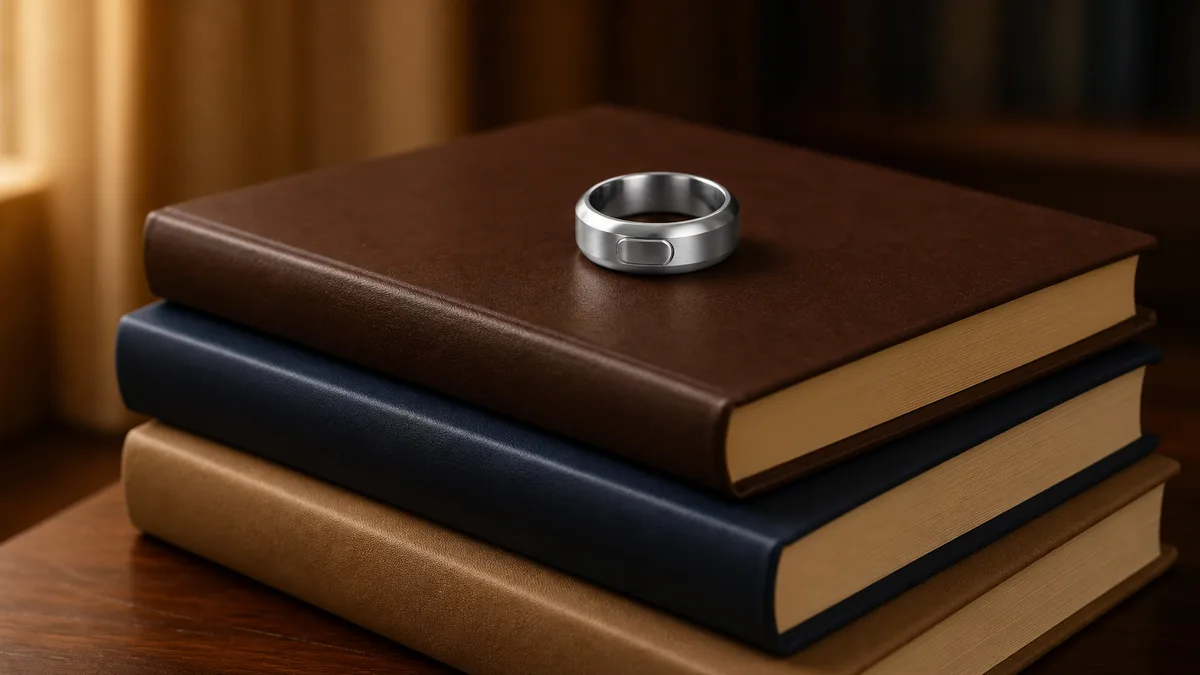
A sixth answer points the same way: Egypt’s Dar al-Ifta (fatwa 7783) treats prayer beads as permissible, and even preferable for guarding your count, a ruling the halal guide covers in full. Notice the pattern across all six, and that it shows no sign of shifting heading into 2027. The disagreement is never about permission; it’s only about which method is best. IslamQA, in its answer on the electronic masbahah program, even reasons that the digital form is less prone to showing off and distraction than a visible string of beads¹. Two neighboring questions get their own guides: for the ruling framed around the ring itself, see ruling on tasbih ring, and for the everyday habit of using one, see ruling on using tasbih ring.
Can You Use a Digital Tasbih During Salah?
Outside the obligatory prayer, a digital tasbih is fine for your dhikr, wird, and nafl remembrance, on the same permissible-means basis as above. Inside the fard prayer, the answer is more involved. It turns on movement, focus, and what your hands are doing, so it deserves a careful look, not a slogan, before you decide.
Two companion guides handle it in more depth than this page should, since our focus here is the bid’ah question, not the prayer one. For the ring case, read can you use a zikr ring in salah; for the digital form specifically, read can you use digital tasbih during prayer.
Counting vs. Presence: Does a Smart Tasbih Affect Your Khushu?
No, a smart tasbih doesn’t do your dhikr for you, and it needn’t weaken your presence (khushu). The remembrance is still yours: your tongue forms the words, your heart turns to Allah. All the ring changes is where the tally sits, moving it off your mind so your attention is freer, not thinner. Presence has always mattered more than the number.
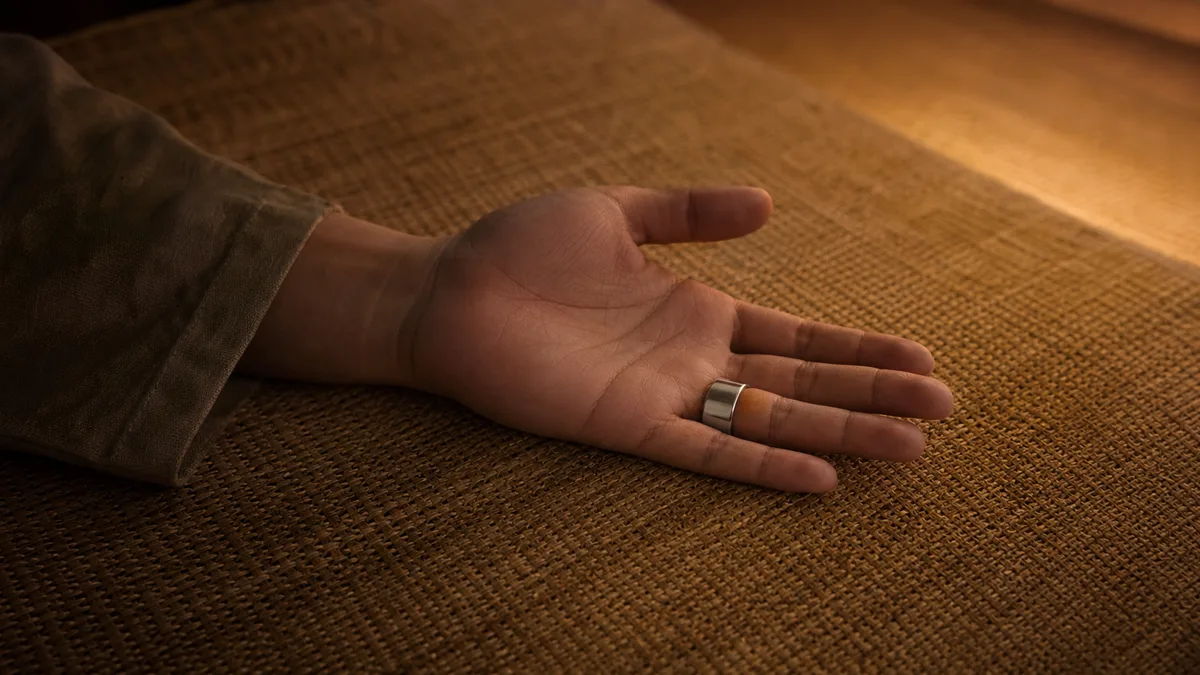
This is where a real worry deserves a real answer. In our experience, the people who ask it most are the ones whose hearts are already in the right place. Some fear that automating the count turns dhikr into a numbers game, a quota to clear. But the number was never the point. A racing heart that reaches ninety-nine while the mind wanders gains little; a single “SubhanAllah” said with a present heart outweighs a distracted hundred. When your fingers no longer track the count, they’re free, and so is your focus. That’s the spirit we build in at WESLAMIC: every dhikr matters because of the heart behind it, not the tally beside it. We design for presence, not pressure, a companion at your side rather than a supervisor over your shoulder.
Side Questions: Material, Cost, and Men Wearing a Tasbih Ring
Readers who settle the bid’ah question usually have three smaller ones left: what a tasbih ring is made of, what it costs, and whether men can wear one. None of them changes the ruling, because permissibility rests on the counting-aid principle, not on the material, the price, or who’s wearing it.
Material. The metal or finish doesn’t change anything. A tasbih ring can be steel, a plated alloy, or something dressier and still count as a permissible aid. The usual caveat that men avoid gold applies to any ring, so a plain counting ring in another metal sits clear of it.
Cost. Price is a shopping decision, not a fiqh one, and it runs from budget-friendly entry pieces to light-luxury designs. A modest ring is no less valid for your dhikr than a costly one.
Men wearing a tasbih ring. A zikr ring used for counting isn’t treated as an ornamental ring, so the rules that limit decorative rings don’t apply to it, as Darul Iftaa New York notes³. For the ruling framed around the ring itself, see ruling on tasbih ring.
Choosing a Smart Tasbih That Fits Your Daily Dhikr
Once the ruling feels settled, the only question left is which smart tasbih suits your day. Our iTasbih family is built around that idea: faith jewelry that keeps quiet company with your remembrance, in a form and price that fit your life. None of it changes the dhikr; it just makes reaching for it a little easier, and a little more beautiful.
If you’re beginning a daily habit or want an affordable Ramadan or Eid gift, the iTasbih-Salam keeps things simple and unfussy, an easy first ring for a new Muslim, a sibling, or a friend. The iTasbih-Faith suits most everyday wearers: when a prayer time comes, it offers a soft reminder instead of a push. For a more considered gift, the iTasbih-Relation carries a light-luxury feel and stays with you longer between charges. Our first full-ring design, the iTasbih-Peace1, lets faith sit on your hand as an everyday piece of jewelry, present through a wedding, an Eid, or an ordinary Tuesday. And the iTasbih-FIT brings faith and health into one ring, with no buzzing motor at all, for anyone minding both their spiritual and physical routines.
Whichever one fits, the thought underneath stays the same: your remembrance is what matters, and keeping count should feel light in the hand and easy on the heart.
Frequently Asked Questions
Should I use my fingers instead of a digital tasbih?
You can use either; both are permissible. Every scholar in the comparison above singles out the fingers as the better, Sunnah method. Assim al-Hakeem notes they would be witness for you on the day of judgement, yet adds plainly that the tasbih is not prohibited⁴. So reach for your fingers when you can, and a digital tasbih when it helps you keep count.
Do I earn less reward using a digital tasbih than beads or fingers?
No. Your reward is tied to the remembrance itself, not to whatever keeps the count. IslamQA rests its ruling on one principle in answer 198080: the means take the ruling of their ends². The fingers do carry an extra Sunnah virtue, but nothing in those rulings reduces your reward for choosing a permissible aid.
Is a digital tasbih bid’ah just because it didn’t exist in the Prophet’s time?
No, and that’s the heart of the bid’ah section above. The newness of an aid isn’t what innovation refers to; bid’ah is about inventing worship, not adopting a means. Darul Iftaa Trinidad rules the tasbih permissible (mubaah), not bid’ah⁵, and the count has run from date stones to beads to screens without touching the worship.
Can I give a digital tasbih to a new Muslim or a child?
Yes; it’s permissible for anyone, and it can gently ease someone into a daily dhikr habit. There’s no age or experience condition in any of the rulings covered here. Many families across Muslim communities gift one for Ramadan or Eid, which is partly why our lightweight iTasbih-Salam exists.
This guide is general information, not a religious ruling. WESLAMIC does not issue fatwa; for questions specific to your situation, please consult a qualified scholar. Reviewed by the WESLAMIC Editorial team.
Sources
² IslamQA, “Ruling on using a tasbih ring” (answer 198080), retrieved 2026-07-24
³ Darul Iftaa New York (Mufti Muajul I. Chowdhury), “Zikr Ring”, retrieved 2026-07-24
⁴ Assim al-Hakeem, “Ruling on using the tasbih counter in making supplications”, retrieved 2026-07-24
Egypt’s Dar al-Ifta al-Misriyyah, fatwa 7783 on prayer beads; permissibility detailed in the linked halal guide (no direct URL cited here)